
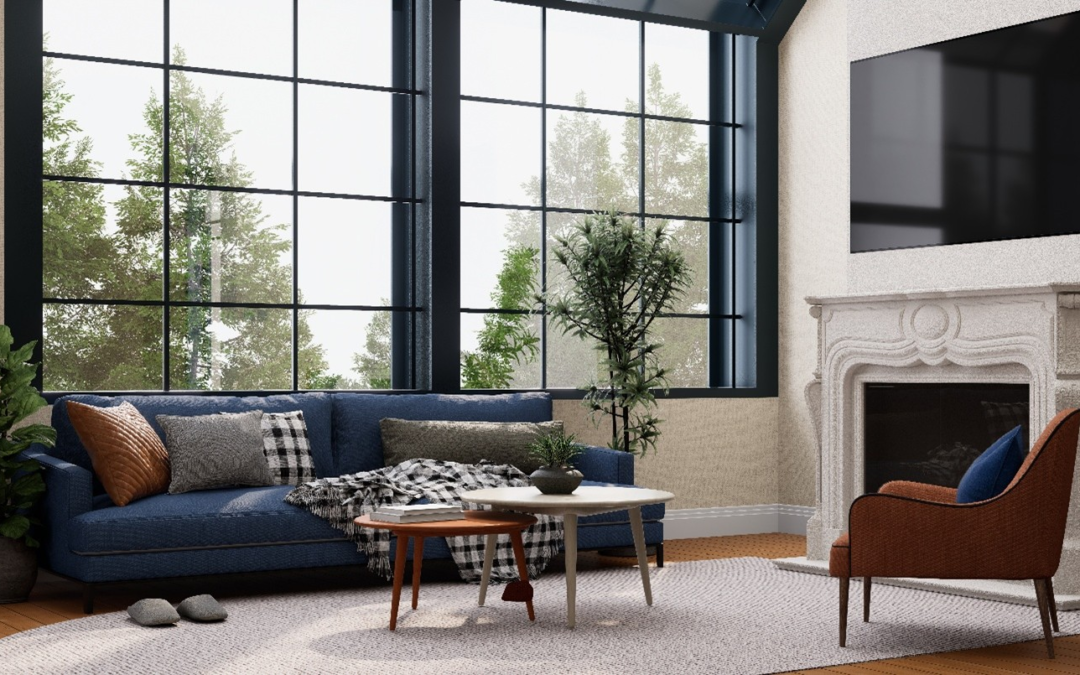
Creating a safe and comfortable home for a loved one living with dementia can feel overwhelming at first. You want to protect their independence while still keeping their home warm and familiar. Fortunately, dementia-friendly design makes it possible to balance safety and comfort while supporting aging in place.
With the right approach, small and thoughtful changes can make a big difference. As a result, seniors can feel calmer, safer, and more confident in their own homes.
Understanding Dementia-Friendly Design
Dementia-friendly design goes beyond simple home updates. Instead, it focuses on how memory changes affect daily life. The goal is to create a space that feels clear, supportive, and easy to navigate.
For example, proper lighting can reduce confusion and shadows that may cause fear. Clear pathways also help prevent trips and falls. In addition, using color contrast between walls, floors, and furniture makes it easier to see where one space ends and another begins.
Most importantly, familiarity matters. Keeping personal items such as family photos, favorite décor, or meaningful objects in view can help trigger positive memories. Because of this, small design choices often have a powerful impact on comfort and emotional well-being.
The Importance of Home Safety for Seniors
Home safety is essential for all seniors. However, it becomes even more important for those living with dementia. The purpose is not to restrict movement, but rather to reduce risk while supporting independence.
For instance, installing handrails in hallways and bathrooms can improve balance. Likewise, securing rugs and adding non-slip mats can help prevent falls. Motion-sensor lighting is also helpful, especially at night, because it removes the need to remember switches.
In addition, keeping emergency contact information easy to find provides peace of mind. Overall, home safety is about helping seniors feel secure and confident—not limited.
Essential Modifications for Aging in Place
Key Senior Home Modifications
Aging-in-place changes do not require a full renovation. In fact, simple updates are often the most effective.
Some helpful modifications include:
- Installing grab bars in bathrooms
- Using non-slip mats and securing loose rugs
- Lowering countertops or adding pull-out shelves
In addition, widening doorways and hallways can support mobility aids. In the kitchen, easier-to-reach storage makes daily tasks safer and less stressful. As a result, seniors can stay engaged in routines they enjoy.
Enhancing Comfort and Accessibility
Safety alone is not enough. Comfort plays an equally important role. Good lighting improves visibility throughout the home. At the same time, using contrasting colors helps with depth and direction.
Furniture also matters. Chairs with armrests and firm cushions make sitting and standing easier. Because of these thoughtful choices, seniors can relax and move with greater confidence.
Leveraging Technology for Safer Homes
Smart Home Technology in Dementia Care
Technology can be a helpful support tool for dementia care at home. Today’s smart home options are designed to be simple and user-friendly.
For example, voice-activated assistants can provide reminders for daily routines. Smart lighting can turn on automatically when movement is detected. In addition, fall detection systems can alert care partners immediately if help is needed.
Some useful smart home tools include:
- Voice-activated assistants for reminders
- Smart lighting for better visibility
- Fall detection systems for quick alerts
Together, these tools improve safety while also giving families peace of mind.
Personalized Home Assessments and Consultations
Every home is different. For that reason, personalized home assessments are especially valuable. A professional walkthrough can identify risks, suggest improvements, and recommend solutions based on specific needs.
During these assessments, both physical design and technology options are reviewed. As a result, families receive practical, realistic recommendations that truly support aging in place.
Creating a Home That Supports Dignity and Independence
Ultimately, a dementia-friendly home is about more than safety. It is about comfort, dignity, and quality of life. By combining thoughtful design, simple modifications, and supportive technology, seniors can continue living well at home.
When families plan ahead and make proactive changes, they reduce stress and prevent future crises. Most importantly, they help their loved ones feel secure, respected, and cared for in the place they love most.