
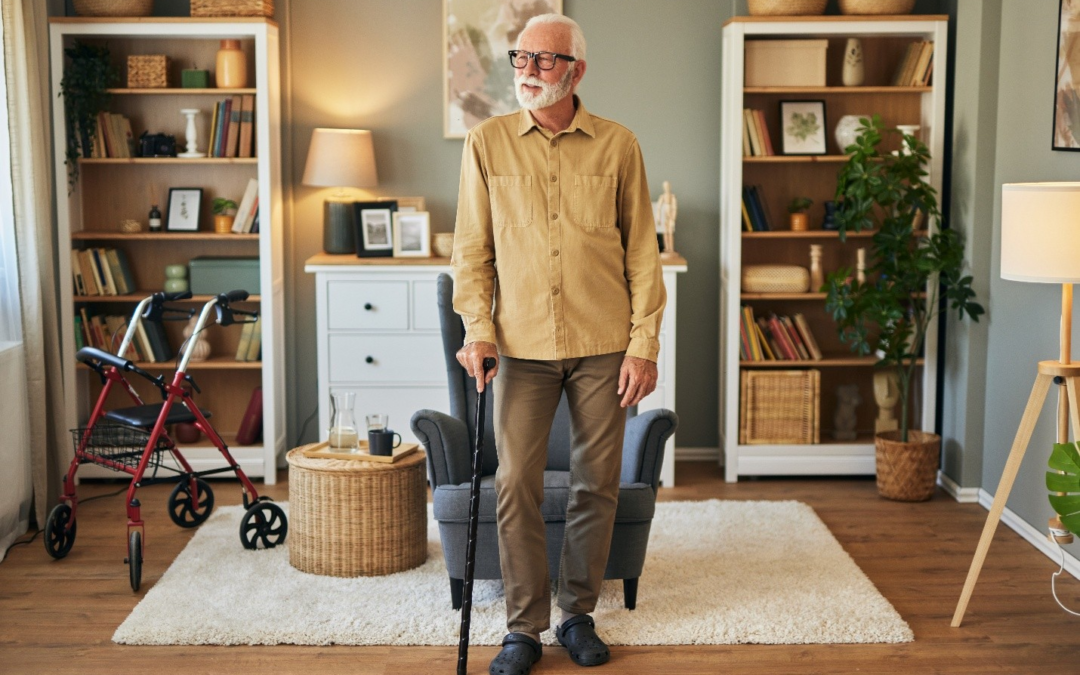
Many families focus on obvious changes to boost senior safety – grab bars, ramps, and clear walkways. However, several home features often slip under the radar, quietly increasing risks for aging loved ones. As a result, important safety gaps can remain unnoticed. Understanding these overlooked elements can make a real difference in your senior’s comfort and independence. Ultimately, when you know what to look for, you can make smarter, safer home updates.
Hidden Hazards in Common Areas
When you think of home safety, common areas come to mind first. Yet, dangers often hide in plain sight. In many homes, everyday items become hazards over time. Therefore, breaking these risks down makes them easier to address step by step.
Slippery Floors and Tripping Risks
A smooth floor might seem harmless, but it can quickly become a slip hazard. For example, stepping onto a wet surface can easily cause a loss of balance. In fact, research shows that 14% of seniors experience falls due to slippery surfaces each year.
To reduce these risks, start with simple changes. First, install non-slip flooring or textured rugs in high-traffic areas. Next, make sure cords, shoes, and small objects are kept out of walking paths. Additionally, reducing clutter creates a clear route from room to room. Taken together, these small actions can significantly prevent falls and keep seniors safer.
Poor Lighting and Visibility Issues
Dim lighting makes everyday movement more challenging. As vision changes with age, poor visibility can easily lead to missteps and falls. That’s why improving lighting is one of the easiest and most effective safety upgrades.
To begin, consider a basic guideline: aim for one light source per 200 square feet. Furthermore, motion-activated lights in hallways and staircases reduce the need to search for switches in the dark. In addition, brighter bulbs at entryways, in bathrooms, and near seating areas help seniors feel more secure. Ultimately, better lighting quickly increases confidence and safety throughout the home.
Inadequate Handrail Support
Handrails may seem minor at first glance, but they act as lifelines for seniors navigating stairs and steps. Without strong support, the risk of falling grows significantly. Moreover, loose or wobbly rails can give a false sense of security.
Strong handrails should withstand 200 pounds of force, be installed at a comfortable gripping height, and run continuously without gaps or breaks. Consequently, upgrading weak handrails brings immediate peace of mind. In many cases, this single change can transform how safe a staircase feels.
Overlooked Bathroom Safety Features
Bathrooms are one of the most hazardous rooms in the home. Although most families install some grab bars, several key safety elements still get overlooked. As a result, seniors may remain at higher risk even after basic updates.
Non-Slip Mats and Grab Bars
A slippery tub can turn normal routines into dangerous moments. Non-slip mats inside and outside the tub offer simple but effective protection. In addition, textured strips on the shower floor can make each step more secure.
Grab bars provide another layer of safety. Ideally, they should be installed at 33–36 inches to support safe movement. Furthermore, placing them both inside the shower and near the toilet offers support in multiple locations. Together, these additions reduce falls and boost confidence during daily activities.
Accessible Shower and Tub Designs
Traditional bathtubs can be difficult to navigate, especially when mobility changes. For this reason, a walk-in shower with a low threshold often becomes a safer choice. Not only does it make entering and exiting easier, but it also reduces the need to step over high tub walls.
Adding a bench or built-in seat offers a comfortable resting spot. Additionally, handheld showerheads allow seniors to sit while bathing, which further increases safety. As a result, these changes improve both safety and comfort, supporting independence and dignity.
Safe and Easy-to-Use Faucets
Standard twist-style faucets can be challenging for seniors with arthritis or limited hand strength. Instead, lever-style faucets require less force and provide better temperature control. This change alone can prevent many frustrating moments.
For additional precaution, consider installing anti-scald devices. These tools limit how hot the water can get, thereby reducing the risk of burns. Combined with easy-to-use handles, they make everyday bathroom routines safer and more accessible. In short, small faucet upgrades can deliver a big improvement in comfort and protection.
Innovative Safety Solutions for Aging in Place
Technology is transforming the way seniors remain safe at home. By thoughtfully integrating smart devices and AI tools, families gain added protection and peace of mind. Furthermore, these solutions often work quietly in the background, reducing stress for everyone involved.
Smart Home Technology for Seniors
Smart home devices can detect potential hazards earlier than humans can. For example, smart smoke detectors send alerts to phones even when no one is home. Likewise, water leak sensors can quickly notify you about overflowing sinks or leaks before major damage occurs.
Voice-activated lights and smart plugs add another layer of convenience. Moreover, they minimize the need to navigate dark rooms or reach difficult switches. Altogether, these tools act like an extra set of eyes, alerting families to issues instantly and preventing small problems from becoming emergencies.
AI Integration for Enhanced Safety
AI brings safety to an entirely new level. AI-powered systems monitor movement and identify unusual patterns throughout the day. For instance, if a senior hasn’t moved from a chair for an unusually long time, the system can send an alert.
Additionally, some AI tools learn daily routines and notice when something seems off. As a result, caregivers can respond more quickly when help is needed. This proactive approach supports independence while ensuring assistance is always within reach. In many households, AI becomes a quiet partner in senior safety.
Personalized Home Modifications for Comfort
Every senior has unique needs, and every home has its own layout. Therefore, tailored modifications are essential to creating a truly safe and comfortable space. Instead of guessing, it helps to review how each room is used throughout the day.
Examples of personalized changes include widened doorways, lowered countertops, mobility-friendly storage, and smart sensor lighting. Working with a professional ensures you receive the right modifications for your specific lifestyle and health needs. Ultimately, these custom updates allow seniors to age in place with confidence, comfort, and control.